
Alpine Cabin Checklist: 20 Things to Check Before a Winter Weekend Stay
A practical, road-by-road and room-by-room checklist for a winter cabin weekend: heating, water, access, power and safety, plus what to do in the first hour after arrival.
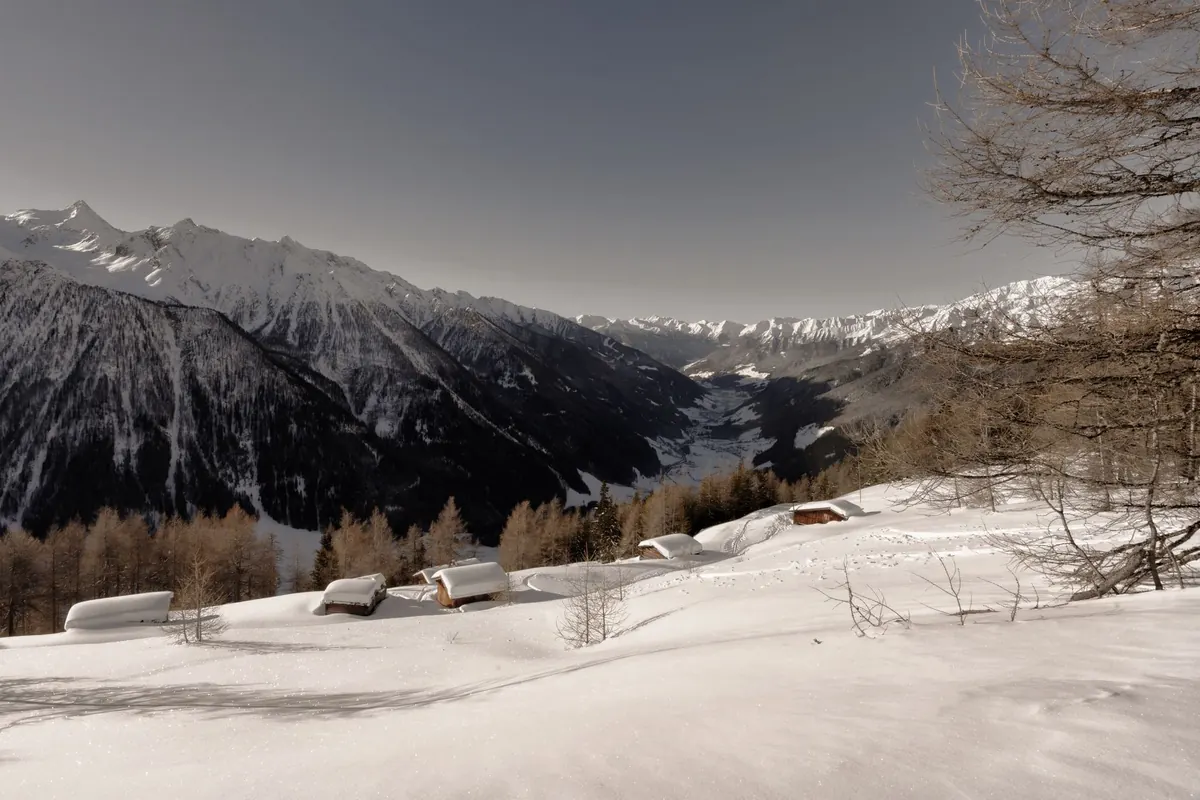
Few things are as disappointing as reaching a mountain cabin at dusk, in falling snow, and finding the water frozen, the woodpile buried, and the key box jammed shut. Cabin problems are rarely dramatic. They are small, predictable, and far cheaper to solve before you drive up than after you arrive.
What follows is the routine worth running through every time, whether the cabin is yours, borrowed from a friend, or booked for two nights through an agency.
Confirm Access Before You Confirm Anything Else
Start with the boring details, because they are the ones that strand people. Who holds the key, and is it a key box, a neighbour, or a caretaker meeting you at the door? Bad weather has a way of delaying the person bringing the key, so get a phone number as well as an address.
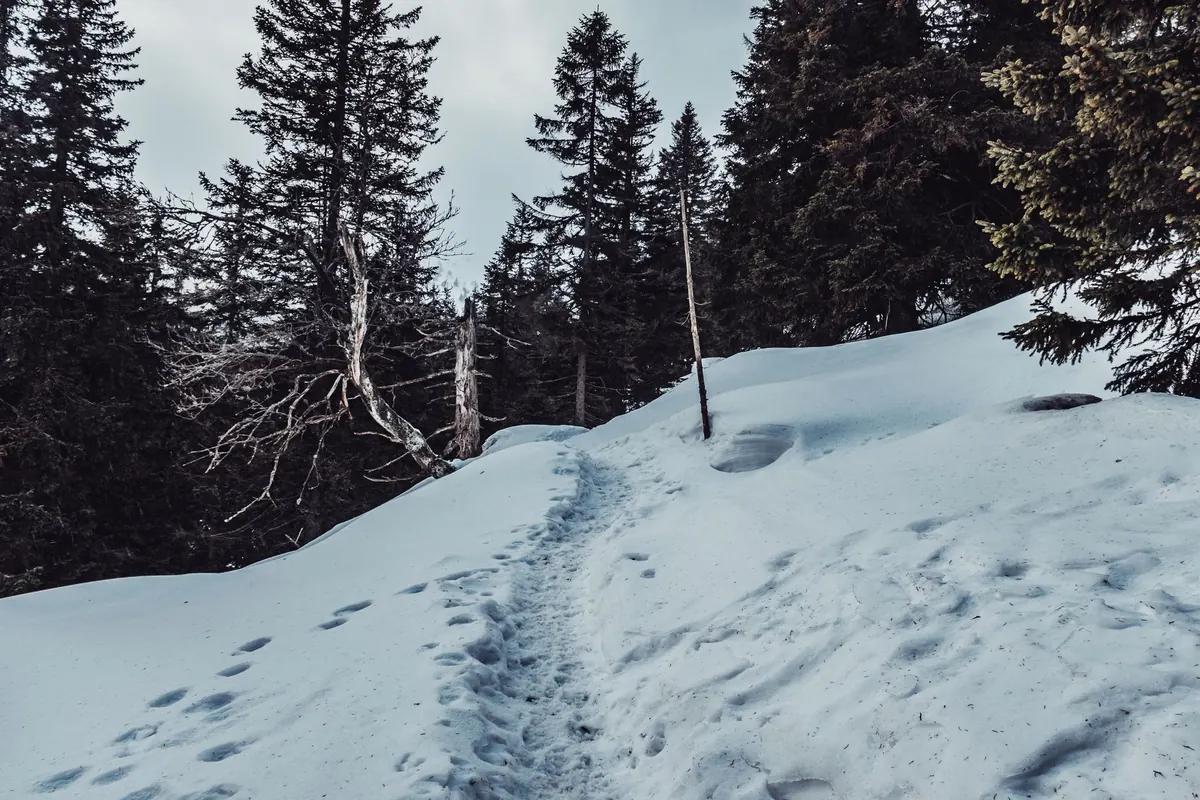
Ask how the last stretch of road is maintained. A municipal road is ploughed on a schedule; a private lane depends on whoever holds the contract, and sometimes that is a neighbour with a tractor who goes to bed at nine. If nobody has been up for a fortnight, ask what you should expect on arrival: snow against the door, a roof carrying more weight than is comfortable, or mice that have moved into the kitchen drawers.
Finally, save the location offline. Mapping apps regularly send drivers up the wrong side of a valley, and the correct route in summer can be unploughed in January. Write the address and the caretaker's number on paper too, and leave it in the glovebox.
Heating: The Thing That Decides the Weekend
Heat is the system everything else depends on. Find out what runs it and how it behaves in the cold.
Wood stoves and fireplaces
Check that wood is dry, split, and stored under cover, with kindling and firelighters kept somewhere that stays dry. Matches should live in a sealed bag, not a damp drawer. Ask when the chimney was last swept; a stove that draws poorly in cold weather can be a blocked flue rather than a moody fire, and creosote build-up is a genuine fire risk. Test the air intake and damper before you light anything.
Gas, oil and electric heating
For gas, look at the bottle level and the spare. A bottle that is nearly empty can lose pressure quickly in real cold, so swap it before it is empty rather than at midnight. Check that the regulator and hose are sound. For electric heating, find the fuse box, learn which breaker covers which circuit, and ask whether the heating runs on a timer that needs switching out of its away setting.
The cold-soak rule
A stone or log cabin that has sat below freezing for a week will take hours to warm. Beds, cupboards and walls hold the cold. Arrive in daylight if you can, bring a flask, and do not plan a late dinner on the first night.
Water: Filling, Freezing and Shutting Off
Water causes more winter damage than anything else in a cabin, usually because nobody knew where the stopcock was. Ask where the supply comes from: mains, a spring, a tank, or a well with a pump. Each fails differently, and each needs a different first response.
If the cabin is drained between visits, get a walkthrough of how to refill and prime the system, where the boiler fill valve sits, and what to do if a tap runs dry. Find the main shut-off valve in daylight, and photograph it on your phone with the cupboard door open so you can find it again in the dark. If a pipe bursts at two in the morning, that photograph is worth more than any instruction manual.
Run the taps when you arrive, especially in a place that has been empty for weeks. If the supply is a private spring or well and you are unsure of its condition, bring drinking water or boil what you use. For anything beyond that, follow the owner's advice and local guidance rather than guesswork.
Road Access and the Last Kilometre
Most winter access problems happen in the final few hundred metres, not on the motorway. Before leaving, check the local road status, fit winter tyres, and put a shovel, a brush, a torch, warm boots and a blanket in the car.
- Practise fitting chains once, in daylight, before you need them, and fit them to the wheels the vehicle handbook specifies.
- Decide where you will park before you arrive. Park facing downhill where possible, and clear of the line a snowplough needs to turn.
- On a steep driveway, park at the bottom and walk up with a headlamp. A cold engine, a loaded car and a gradient are a poor combination.
- Tell someone your route and your expected arrival time, and message them when you get there.
- Keep a scraper and de-icer inside the car rather than in the boot, where they will be frozen solid when you want them.
Power, Light and the Small Systems
Assume the power will go out at some point during the winter, briefly or otherwise. A headlamp per person, spare batteries, candles and a lighter in a known drawer cover most of it. Find the fuse box and test the trip switches while the lights are still on.
Check phone signal around the cabin and the lane; there is often one corner of the kitchen or one bend in the road where a call will actually connect. Download offline maps before you leave. If there is a generator, confirm the fuel is fresh and that it sits outside, well away from windows and doors. Never run a generator, a barbecue or a camping stove indoors or in a closed garage: carbon monoxide kills quietly, and the cabin's own alarms are your second line of defence, not your first.
Do not block ventilation slots to keep the heat in. A sealed, damp cabin is miserable and hard on the building. Air it briefly each morning instead.
Safety Kit Worth Checking Every Time
Run through the same short list before each trip. It takes five minutes and covers the situations that ruin weekends.
- Carbon monoxide alarm, tested, with a battery that is not years old.
- Smoke alarm, tested with the button.
- Fire extinguisher and fire blanket, in date and within reach of the stove.
- First aid kit, restocked after the last trip.
- Two torches or headlamps with spare batteries.
- Printed emergency numbers, the cabin address, and the nearest doctor or pharmacy.
- Enough of any prescription medication for an extra day, kept in your hand luggage rather than the boot.
- Blankets in the car, one per person.
If someone in the group has a condition that cold, exertion or altitude could affect, ask their own doctor before travelling rather than relying on internet advice.
The First Hour After You Arrive
- Walk around the outside of the cabin in daylight. Look at the roof, the shutters, any vents, and how much snow is piled against the doors.
- Deal with the water: turn it on, check under the sinks for leaks, and confirm the heating has water in it before you light anything.
- Start the heating and check that the stove draws properly or the radiators actually warm.
- Test the smoke and carbon monoxide alarms.
- Locate the fuse box, the stopcock and the shovel, so that finding them later is not an emergency.
- Check the forecast for the next 48 hours and adjust plans accordingly.
- Message your contact to say you have arrived safely.
The Night Before You Drive Up
Most of this checklist is about asking questions early enough that the answers still help. The night before, do four things: confirm the key and the access, check the forecast and road status, pack the car so the shovel and boots are reachable, and write down the stopcock location and the caretaker's number.
Then fill a flask, charge your phone, and set off in daylight if the mountain will let you. A well-prepared cabin weekend is not about gear. It is about knowing where things are before the light goes, and leaving yourself enough margin to enjoy the quiet once you get there.